Category: Science

  • New Brain-Computer Interface Restores Speech for ALS Patients: Raises Privacy, Ethical, and Psychological Concerns

    New Brain-Computer Interface Restores Speech for ALS Patients: Raises Privacy, Ethical, and Psychological Concerns

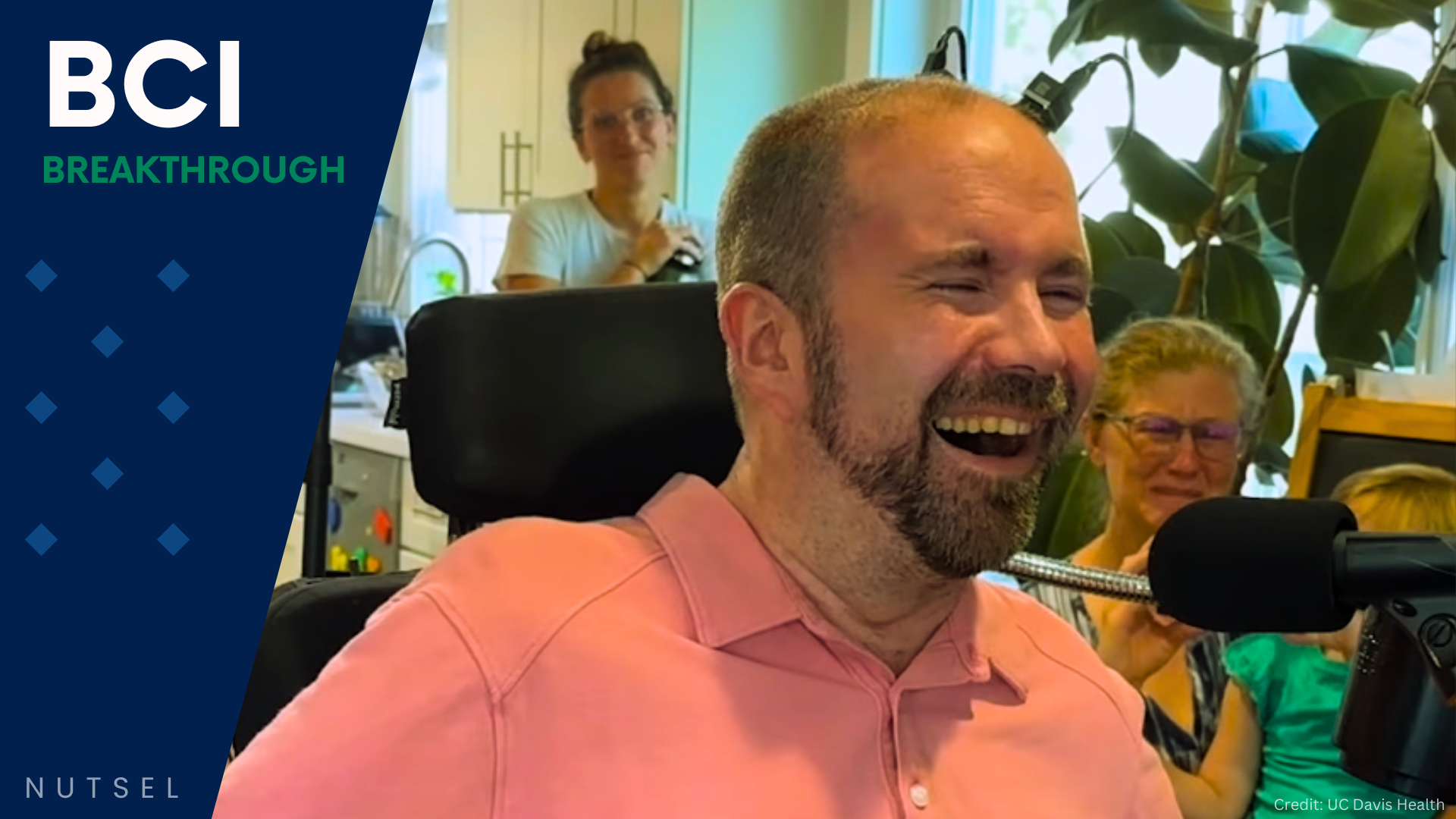
    Brain science has achieved a seminal breakthrough with a new brain-computer interface (BCI). Researchers at UC Davis Health have recently developed this technology to restore speech for ALS (amyotrophic lateral sclerosis) patients, translating brain signals into speech with up to 97% accuracy. After implanting sensors in the brain of a man with severe ALS-related speech loss, researchers enabled him to articulate his intended speech within minutes of activating the system.

    However, despite its revolutionary impact on assistive technology for severe speech impairments, this innovation requires a thorough analysis of the associated privacy, ethical and psychological challenges.

    Historical Context of Brain-Computer Interfaces

    To fully understand the ramifications of this new brain-computer interface, it’s important to consider its historical background. The progression of BCIs began in the 1960s and 1970s with trailblazing experiments on primates. Early research aimed to create a direct link between the brain and external devices.

    Although initial experiments faced challenges with inconsistent responses from primates, improvements in electrode technology and signal recording techniques led to greater accuracy.

    The 1980s and 1990s marked a transition from experimental setups to practical applications. Technologies such as functional magnetic resonance imaging (fMRI) emerged and allowed for more detailed studies of brain activity, including the mapping of specific brain regions responsible for cognitive processes like memory, decision-making, and emotional responses, as well as the real-time observation of brain functions during various tasks and stimuli.

    Meanwhile, the development of the P300 speller in 1988, which utilized Event-Related Potentials (ERPs) to facilitate communication, represented a major milestone by demonstrating the feasibility of non-invasive BCIs for direct communication.

    The P300 speller achieved this by interpreting brain signals associated with visual stimuli and enabling individuals with severe motor disabilities to spell words and communicate effectively through thought alone. This period laid the groundwork for the more sophisticated BCIs of today.

    As we entered the 21st century, focus transitioned to advancing algorithms and increasing accuracy. The BrainGate project exemplified these advances by using invasive BCIs to translate neural activity into control commands for external devices; for instance, a person with tetraplegia was able to control a computer cursor and communicate by typing, achieving a communication rate of approximately 15 words per minute.

    This project demonstrated not only the technical progress of BCIs but also their significant potential to restore communication and independence for individuals with severe motor impairments.

    New Technological Breakthroughs and Capabilities

    Speech BCIs, most notably demonstrated by the device used by the late Professor Stephen Hawking and recognized for its tinny, robotic voice, illustrate a common characteristic of these technologies; however, the UC Davis Health BCI marks a significant advancement in this field.

    The system implanted into Casey Harrell’s brain records signals from the precentral gyrus, a region responsible for speech coordination. This data is then decoded in real time to produce text, which the system vocalizes using a synthesized version of Harrell’s pre-ALS voice.
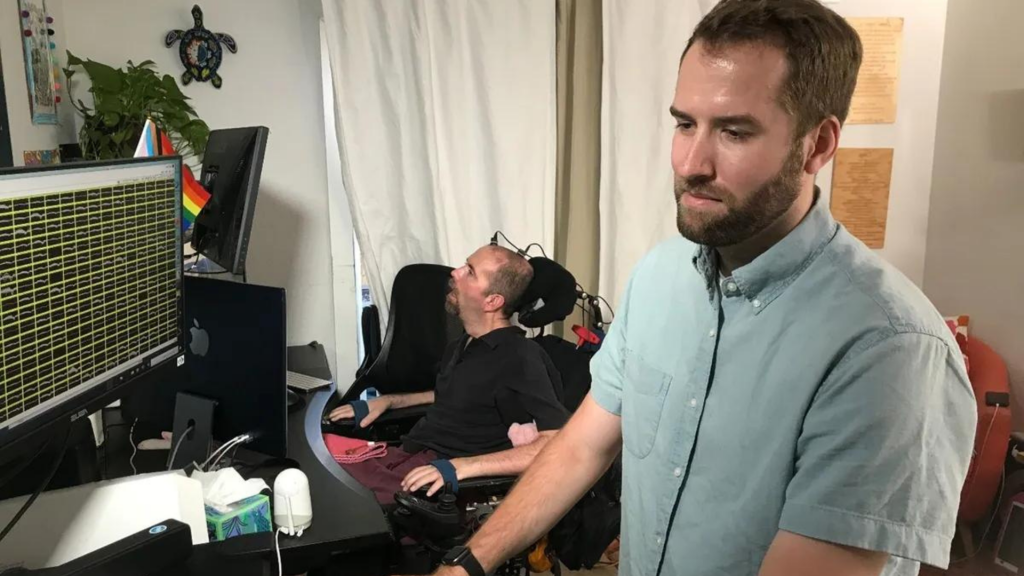
    Brain-Computer Interface Restores Speech for ALS Patients
    Lead study author Dr Nicholas Card readies the BCI system for Harrell. Image credit: UC Regents

    In initial tests, the system achieved 99.6% word accuracy with a limited vocabulary, and 90.2% accuracy with a more extensive lexicon of 125,000 words.

    This technology has enabled Casey Harrell, a 45-year-old man with ALS who was previously unable to communicate effectively, to converse naturally and reconnect with his social circle. Over 248 hours of use, the system has maintained a high accuracy rate, which shows its reliability and potential for widespread application.

    For patients like Harrell, BCIs have emerged as a life-changing prospect for restoring their ability to interact with others through speech; as Harrell himself said in a statement, ‘Not being able to communicate is so frustrating and demoralizing. It’s like you’re trapped.’

    Privacy Concerns

    Along with the sophisticated brain-reading technological achievement of this BCI, it raises a number of privacy concerns. The device’s ability to decode brain signals involves intimate and potentially sensitive information. The continuous monitoring and interpretation of neural activity necessitate stringent safeguards to protect users’ privacy.

    Unauthorized access or misuse of such data could lead to serious breaches of personal information, including the potential for manipulation or exploitation, for instance, compromising financial stability through fraudulent transactions, identity theft involving sensitive personal details, or targeted phishing attacks leveraging compromised data.

    Moreover, the long-term storage of brain data introduces significant risks related to data security, including potential unauthorized access or breaches that could expose sensitive neurological information, increased vulnerability to evolving cyber threats, and the challenge of maintaining the confidentiality and integrity of personal data over extended periods.

    Implementing robust encryption and access control measures, such as AES-256 encryption and multi-factor authentication, is crucial for protecting users from privacy violations.

    As BCIs become more prevalent, addressing these privacy concerns will be essential to preserve trust and ensure the ethical use of the technology; otherwise, misuse of sensitive information could undermine public confidence and hinder the technology’s widespread adoption.

    Ethical Considerations

    The ethical implications of BCIs, particularly in the context of ALS, are multifaceted. One of the primary concerns is the potential influence of BCIs on end-of-life decisions. For patients with ALS like Harrell, who often face difficult choices regarding life-sustaining treatments, the ability to communicate more effectively might alter their perspective on these decisions, as indicated by in-depth studies.

    A BCI could enhance a patient’s quality of life by restoring their ability to express needs and desires.

    However, it also raises ethical questions about the impact of such technologies on the decision-making process regarding life support and euthanasia. The availability of advanced communication tools may influence patients’ decisions on whether to continue or discontinue treatment, which could complicate the already challenging ethical framework.

    There are concerns, in addition, about the pressure that may be exerted on patients to make decisions based on their perceived quality of life. Family members and healthcare providers might inadvertently influence these decisions, as they often prioritize immediate concerns over long-term outcomes, which could overshadow the need for careful consideration and ethical guidelines in the use of BCIs.

    A recent prospective study found that 30% of patients with ALS reported feeling pressured by their families to pursue BCIs quickly, even when they were not fully informed of the risks and ethical implications; this exemplifies the urgent need for comprehensive patient education and informed consent processes in the adoption of advanced medical technologies.

    Psychological Impact

    BCI use for communication also has significant psychological effects. While the restoration of speech can be immensely empowering and life-affirming, it can also lead to emotional challenges.

    The transition from a state of impaired communication to one where speech is facilitated by technology may bring about complex feelings of dependence or frustration, mainly due to the cognitive dissonance experienced when users reconcile their reliance on assistive devices with their desire for autonomy and the emotional impact of the technological constraints on their self-perception and social interactions.

    For patients like Harrell, the joy of regaining the ability to communicate is tempered by the emotional impact of living with a severe disability. The psychological adjustment to the new communication method, coupled with the challenges of daily living with ALS, can affect mental well-being.

    According to a review in Amyotrophic Lateral Sclerosis and Frontotemporal Degeneration, individuals with ALS often experience heightened levels of anxiety and depression, with a prevalence rate of up to 40% for depression and 50% for anxiety, partly due to the significant impact of losing traditional communication abilities and adapting to assistive technologies.

    Ongoing psychological support such as cognitive-behavioral therapy and psychosocial counseling, and counseling by trained mental health professionals, are essential to address these issues and ensure that patients can adapt positively to their new communication abilities.

  • TomoDRGN empowers scientists to visualize proteins’ shape changes using algorithms

    TomoDRGN empowers scientists to visualize proteins’ shape changes using algorithms

    Tomography-Derived Reconstructive Generative Network (tomoDRGN), the latest innovation in the field of molecular biology, is revolutionizing scientists’ ability to visualize proteins’ shape changes using advanced computational algorithms. MIT graduate student Barrett Powell and his colleagues have developed this new approach to understanding the structural dynamics of proteins within their native cellular environment.

    Nowadays, cryogenic electron tomography (cryo-ET) has emerged as a favored technique for for studying proteins in their natural setting. By taking pictures of frozen cells from various angles, scientists can get a 3D view of protein structures. This is pretty cool because it lets researchers see exactly how and where proteins team up with each other, giving insights into their interactions within the cell.

    With the current imaging technology for proteins in their natural setting, MIT graduate student Barrett Powell thought if they could go one step further: What if we could witness molecular machines in motion?

    In a recent article published in Nature Methods, Powell has introduced his invention, named tomoDRGN. This technique is designed to depict the structural variances observed in proteins within cryo-ET data, which stem from protein motions or interactions with different partners- an occurrence known as structural heterogeneity.

    In traditional methods, proteins are typically imaged only once in purified samples. However, in cryo-ET, each protein is imaged multiple times from different angles, sometimes over 40 times. This presented a challenge for tomoDRGN due to the overwhelming amount of data. To overcome this problem, Powell ‘upgraded’ the cryoDRGN model to prioritize the highest-quality data.

    “By excluding some of the lower-quality data, the results were actually better than using all of the data – and the computational performance was substantially faster,” Powell says.

    When imaging the same protein multiple times, radiation damage can occur. As a result, the initial images are often clearer since they suffer less damage, according to Powell.

    An interesting result of tomoDRGN came about when the researchers shared raw data showing ribosomes inside cells at near-atomic resolution. Powell applied tomoDRGN to this dataset, unveiling differences in the structure around ribosomal particles. Some of the ribosomes were found near a bacterial cell membrane, where they were participating in a process known as cotranslational translocation. This happens when a protein is being made and moved across a membrane simultaneously.

    In addition, tomoDRGN’s demonstrated capability for identifying uncommon structural states within protein populations highlights its accuracy and efficiency. For instance, in another experiment involving the protein apoferritin, tomoDRGN detected a small group of ferritin particles with iron bound to them, making up just 2 percent of the dataset. This discovery emphasizes the method’s ability to spot subtle variations that might be missed by traditional methods.

    Powell and his colleagues see many ways to use tomoDRGN to improve our understanding of how cells work. This finding, as they say, has opened the door to generating new theories about how ribosomes collaborate with crucial protein machinery responsible for moving proteins beyond the cell’s borders. They’re especially excited about exploring how it can help with studying ribosomes and other parts of cells.

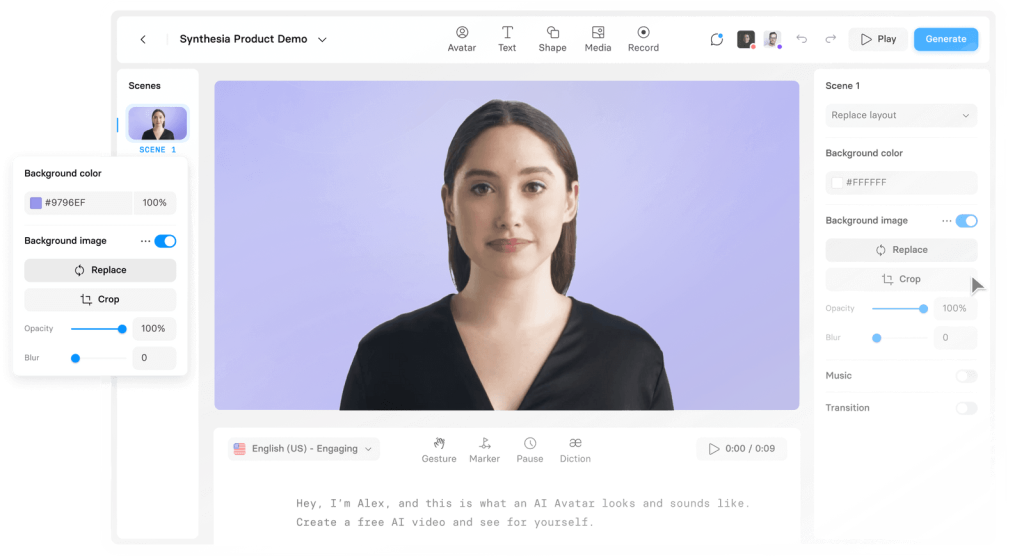
    Algorithms have become indispensable today. You can try this online tool to make text talk like a person!

    Click to Create One

  • Humans given lab-grown blood for the first time

    Blood, grown in a laboratory, was transfused into humans for the first time in a landmark clinical trial. According to U.K. researchers, this could significantly improve treatment for people with blood disorders and rare blood types.

    Two patients in the United Kingdom received tiny doses of lab-grown blood, equivalent to a few teaspoons, in the first stage of a larger trial to see how lab-grown blood behaves inside the body.

    The trial, which will now include 10 patients over a few months, will compare the lifespan of lab-grown cells to that of standard red blood cell infusions.

    The average blood donation currently costs the NHS around £145, according to NHS Blood and Transplant. Alternatives grown in laboratories would almost certainly be more expensive.

    The researchers say the aim of lab-grown blood is not to replace regular human blood donations, which will continue to account for the vast majority of transfusions. However, scientists may be able to create extremely rare blood types that are difficult to obtain but are critical for people who rely on regular blood transfusions for conditions such as sickle cell anemia.

    Dr. Farrukh Shah, medical director of transfusion for NHS Blood and Transplant, one of the project’s collaborators, was quoted by CNBC as saying that this world-leading research lays the groundwork for the production of red blood cells that can safely be used to transfuse people with disorders like sickle cell.

    Dr. Farrukh also stated that normal blood donations would continue to be required to supply the vast majority of blood. However, the potential for this work to benefit hard-working transfusion patients is significant, she added.

    How does it function?

    The research, conducted by researchers from Bristol, Cambridge, and London, as well as NHS Blood and Transplant, focuses on red blood cells, which transport oxygen from the lungs to the rest of the body.

    To begin, a regular blood donation was obtained, and magnetic beads were used to detect flexible stem cells capable of transforming into red blood cells.

    The stems were then immersed in a nutrient solution in a laboratory. Over a three-week period, the solution encouraged those cells to multiply and develop into more mature cells.

    Before being stored and later transfused into the patients, the cells were purified using a standard filter, the same type of filter used to remove white blood cells from regular blood donations.

    For the trial, lab-grown blood was tagged with a radioactive substance commonly used in medical procedures in order to track how long it remained in the body.

    The same procedure will now be used in a trial of ten volunteers who will each receive two donations of 5-10 mL at least four months apart, one of normal blood and one of lab-grown blood, to compare the cell lifespans.

    How much will it cost?

    Because lab-grown cells have a longer lifespan, it is hoped that patients will require fewer blood transfusions over time. Because a typical blood donation contains a mix of young and old red blood cells, the lifespan of the red blood cells can be unpredictable and suboptimal. Meanwhile, because lab-grown blood is made fresh, it should last the 120 days that red blood cells are expected to last.

    Nonetheless, the technology comes with significant current costs. The average blood donation currently costs the NHS around £145, according to NHS Blood and Transplant. Alternatives grown in laboratories would almost certainly be more expensive.

    According to NHS Blood and Transplant, there is currently “no figure” for the procedure, but lab-grown blood costs will be reduced as the technology is scaled up.

    If the trial is successful and the research is effective, as a spokesperson told CNBC, it could be implemented on a larger scale in the future, lowering costs.

  • The One Language the Whole Human Race Has

    There is a theory that the one language the whole human race has is actually a language that we have not yet discovered. This language is said to be hidden in the depths of our subconscious and is the reason why we are able to communicate with each other on a deep level.

    This theory suggests that the reason we are able to connect with each other so deeply is that we are actually tapping into this hidden language when we communicate. This language is the key to understanding the human experience. And it is the reason why we are able to empathize with each other.

    It would mean that we are all connected on a much deeper level than we realize. It would also explain why we are able to understand each other even when we don’t share the same spoken language.

    What is the common language we all have?

    So, if there is one language that the whole human race has, what is it?

    This may sound far-fetched, but there is some evidence to suggest that this is the case. For example, many people believe that music is a universal language. Even people who don’t speak the same language can often appreciate and enjoy music from other cultures.

    Similarly, there are many gestures and expressions that are common to all humans, regardless of culture. People from all over the world understand a smile, a hug, or a nod of the head.

    There are more than 7,100 languages are spoken in the world today. But there is only one that is truly universal. We don’t speak the language with words, but describe with the action of our brains.

    Recently July this year, in a study of speakers of 45 languages, researchers found similar patterns of brain activity and language selectivity. The study, published in the journal Nature, provides new insights into how the brain processes language.

    The findings of this study provide new insights into how the brain processes language. The fact that the brain activity of all the participants was similar suggests that there is a common neural basis for language processing in the brain. This finding could have important implications for our understanding of the evolution of language and the human capacity for language learning.

    This research is fascinating and provides a new perspective on the human experience. It is also a reminder that we are all more connected than we realize. Imagine being able to read ancient texts, for example, the Epic of Gilgamesh, which started out as a series of Sumerian poems and tales dating back to 2100 B.C., or listen to traditional stories from around the world in their original language. Currently far from being possible, and hard to even claim, it is indeed a possibility.

    The human ability to “think” in languages

    The ability to think in different languages is a defining characteristic of humanity. It allows us to communicate our thoughts and ideas to others. It equally enables us to understand the thoughts and ideas of others and ourselves. This ability is what makes us different from other species.

    Although scientists have placed dogs into a select club of species capable of using abstract concepts, animals, for example, cannot think in languages. They may be able to communicate with each other using sounds or body language. However, they cannot create new sentences or communicate complex thoughts. Their communication is based on instinct and instinct alone. Contrary to what many popular television shows would have us believe, studies suggest that they are not capable of abstract thought or of understanding the thoughts of others.

    We are born with the ability to think in languages, and we also learn to think in languages. Furthermore, the view that language might not be the only tool we have for thinking. It’s likely that we all are capable of thinking in ways that are not constrained by language. Most of them are yet to be discovered.

  • The Human Brain is a Device That Predicts the Future

    Introduction

    The human brain constantly tries to predict the future. It does this by analyzing past data, trying to find patterns and trends, and making calculations based on those experiences.

    When it finds a pattern, it uses that information to predict what will happen next.

    By understanding how the brain makes these predictions, we can learn to control our own thoughts and actions.

    The more data the brain has to work with, the more accurate its predictions will be. The average adult human brain has the ability to store the equivalent of 2.5 million gigabytes data.

    The central human organ can also make predictions based on its own internal state. For example, if it is hungry, the brain will predict that food will be available soon.

    Without the ability to predict the future, we would be constantly surprised by the things that happen around us. We would not be able to plan for the future or make decisions that would help us avoid danger.

    A number of studies that have looked at the relationship between memory and prediction have supported the idea that our ability to predict future events has connections to our memory of past events. One such study found that people with better memories were better at predicting future events than those with poorer memories.

    Another study found that people with higher levels of anxiety were more likely to make inaccurate predictions about future events. This finding is consistent with the idea that people with higher levels of anxiety are more likely to remember negative events from the past, and thus be more pessimistic in their predictions about the future.

    All in all, there are three types of predictions made by our brain:

    Conscious Prediction

    Our ability to reason affects the ability to predict the future. The reasoning is the process of using logical thinking to come to a conclusion. When we reason, we use the information in our memory to come to a conclusion about what will happen in a new situation.

    These predictions are based on the data that your brain has stored in the past. Every experience you have ever had is stored in your brain and used to make predictions about the future.

    The accuracy of the brain’s predictions also depends on the quality of the data it has to work with. If the data is noisy or incomplete, the brain’s predictions will be less accurate.

    Studies have found that individual guesses by humans achieve 58.3% accuracy, better than random, but worse than machines which display 71.6% accuracy.

    When we are driving, we are constantly making predictions about what other drivers will do. We need to be able to anticipate their actions in order to stay safe. This is a conscious prediction made by our brain.

    Sub-conscious predictions

    Some of these predictions are made unconsciously, based on our previous experiences and the patterns we’ve learned but are not aware of.

    For example, when we see a friend walking towards us, we automatically expect that they will stop and talk to us. We don’t need to think about it, we just know that’s what will happen.

    This is a subconscious prediction.

    Subconsciously analyze it to make predictions about the future. This is how we are able to make decisions without even realizing it.

    Our brain is able to pick up on subtle cues in a person’s appearance that we are not even aware of. We can size up a person’s trustworthiness, intelligence, and even sexual desirability without their, or our own knowledge.

    Unconscious prediction

    However, there is another type of prediction made by our brain that is not based on past experiences. This prediction is based on what our brain believes will happen in the future simply because it does.

    We don’t need to have experienced this before, our brain just makes an educated guess based on the laws of physics.

    These predictions help us to interact with the world around us and make split-second decisions. They allow us to catch a ball, avoid a collision and make everyday activities possible.

    We are not consciously aware of these predictions, they happen automatically and outside of our conscious control.

    Scientists believe that these predictions are made by our unconscious mind using a combination of past experiences, sensory information, and natural knowledge of the laws of physics.

    Bottom Line

    The ability to predict the future by analyzing the past is an incredible power that we all have. It is something that we should be grateful for. It is one of the things that makes us human.

  • Biologists Create New Human Cells: Artificial Humans?

    Biologists Create New Human Cells: Artificial Humans?

    Artificial in nature, human-engineered cells can give a new turn to the “human race”. Cells, as we know, are the basic building blocks of a living organism. And, scientists are now using stem cells to create human cells with biological components. Equipped with proper tech, these biological entities could evolve into human-like beings. 

    Natural human cells serve as the body’s building blocks, absorb nutrients from meals, transform those nutrients into energy, and perform certain functions. The problem is that our complex human body consists of 37.2 trillion cells. So, it is almost impossible to mimic that exact structure. However, it is not mandatory to imitate the human body. An artificial being could exist and live well with ten complex cells made for them.

    To create such a complex entity, many new technologies and methods ask being explored and discovered. Engineers are always exploring different ways to use stem cells in their experiments. In 2008, for example, British researchers claimed that they had created embryos and stem cells using human cells and the egg cells of cows, but said such experiments would not lead to hybrid human-animal babies or even direct medical therapies.

    Another example of human-animal hybrid embryos is the “Human-Pig Hybrid,” a contentious move that many expect to be the first step toward creating artificial humans.

    In another work, published on Cell.com, scientists claimed that they had successfully grown monkey embryos containing human cells for the first time — the latest milestone in a rapidly advancing field that has drawn ethical questions. The team injected monkey embryos with human stem cells and watched them develop.

    However, the scientific community has always been divided on the issue.

    Like all the other scientific breakthroughs and technology, we must first be careful about the consequences of this movement, as it can turn “revolutionary.” The main debate is on whether or not this technique should be used to produce real people.

    Despite any ethical and other controversies, scientists are continuing with research to create lives. A recent study, published in the journal Cell Stem Cell by Professor Vincent Pasque and his colleagues at KU Leuven, used stem cells to create new human cells in the lab, possibly marking the beginning of making artificial humans.

    The new cells resemble their natural counterparts in early human embryos very closely. As a result, scientists are now better able to understand what happens right after an embryo implants in the womb.

    If everything goes according to plan, a human embryo implants in the womb seven days after fertilization. At that point, the embryo is no longer available for study due to ethical and technological limitations. To study human development in a dish, scientists have already developed stem cell models for various embryonic and extraembryonic cell types.

    Extraembryonic mesoderm cells are a specific type of human embryonic cell, and Vincent Pasque’s team at KU Leuven has developed the first model for such cells. According to Professor Pasque, these cells generate the first blood in an embryo, help to attach the embryo to the future placenta and play a role in forming the primitive umbilical cord.

    In humans, this type of cell appears at an earlier developmental stage than in mouse embryos, and there might be other important differences between species. “That makes our model especially important: research in mice may not give us answers that also apply to humans,” said Pasque.

    The scientists used human stem cells, which can still grow into every type of cell in an embryo, to make the model cells. The new cells are an excellent model for that cell type since they closely resemble their natural counterparts in human embryos. Pasque expressed hope that the new model would also help to clarify medical issues such as issues with fertility, miscarriages, and developmental disorders.

    You don’t make a new human cell type every day,”  Pasque said, and also asserted that they are very excited because now they can study processes that normally remain inaccessible during development. “The model has already enabled us to find out where extraembryonic mesoderm cells come from,” continued Pasque.

    The birth of a new human life would be something incredible. As humans, we are genetically complex beings and can be defined by many traits, millions of DNA base pairs, and all that goes with them. As mentioned earlier, an artificial being would not necessarily mimic our body, brain structure, traits, etc. even if it started from a human embryo. Creating something artificial that is similar in terms of abilities in volume but not in shape sounds unreal.

    Keeping in mind all these possible changes in the human race, wouldn’t it be more important to discuss the possibilities before they actually turn into realities?

    The idea of creating an artificial human race is not new; it has been debated for a while.

    In 2019, for example, scientists developed a new type of life, and this achievement marks a major shift in the science of synthetic biology.

    Earlier this year in July, researchers developed a nano-robot made solely of DNA to study biological processes. You could be pardoned for thinking it was science fiction. But it is the focus of significant research conducted at the Structural Biology Center in Montpellier by professionals from Inserm, CNRS, and Université de Montpellier. This extremely cutting-edge “nano-robot” could make it possible to analyze mechanical forces at microscopic scales in greater detail, which are vital for many biological and pathological processes.

    Speaking about the latest research published in the journal Cell Stem Cell by Professor Vincent Pasque and his colleagues at KU Leuven, the new model cells aid in the study of early embryonic development. Furthermore, this study moves the field of stem cell research forward as researchers are now able to study processes that typically remain inaccessible during development.

    Pasque’s team has demonstrated that it is possible to create a new variety of human cells in the laboratory. The development process will likely lead the research to first create artificial human organs and then gradually an artificial human body. It is unlikely that creating a new human cell will be limited to assisting us in dealing with medical challenges.

  • How beneficial can “white noise” be?

    How beneficial can “white noise” be?

    Key Points:

    • Studies have shown that white noise can hasten your normal sleep-wake cycle.
    • Pink noise has more power at lower frequencies and less at higher frequencies, making it deeper.
    • Brown noise has greater bass in the lower frequencies due to the change in energy or power.
    • Pediatricians suggest keeping any white noise machines at least 7 feet away from your baby’s crib.

    If you’re here to find a way to “see” noise, you are not in luck. White noise is random noise that has a flat spectral density—that is, the noise has the same amplitude, or intensity, throughout the audible frequency range (20 to 20,000 hertz). It got its name “white noise” because it’s analogous to white light, which is a mixture of all visible wavelengths of light.

    White noise blocks out other sounds and has been shown to signal to the brain that it is time to sleep. Your brain will learn to associate white noise with sleep more quickly the more often you listen to it. Studies have been shown to improve the accuracy of pure sounds. According to studies, white noise can hasten your normal sleep-wake cycle.

    My bedtime routines cause me a significant amount of stress. I’ve spent a great deal of time reading up on this topic in the literature, carefully testing out various methods. I’ve finally discovered methods that have helped me, and I can now impart my experience in this article.

    White noise may assist with bedtime rituals, but it doesn’t merely improve sleep. Additionally, it generally improves people’s moods and gives them more self-assurance to take on difficulties and problems throughout the day. White noise will enhance their cognitive skills, discipline, and ability to form positive habits.

    There are more colors besides “white” that are related to noise. For instance, pink noise contains audible frequencies, with lower frequencies increasing and higher frequencies decreasing. Deep and even sound is generated. Examples comprise:

    -Powerful wind 
    -Waves, crashing on the beach
    -Leaves, rustling
    -Rain, beating down

    Sound sleep while hearing white noise

    All audible to the human ear, noise frequencies are included in both pink noise and white noise. However, white noise contains all frequencies with equal distribution. Whereas, pink noise has more power at lower frequencies and less at higher frequencies, making it deeper.

    The only sound type named for a person, Robert Brown, rather than a color, is brown noise.

    White noise and brown noise both produce sounds at random, but in brown noise, frequency increases as energy decreases and vice versa. Keep in mind that white noise is the sum of all frequencies with equal energy. It has greater bass in the lower frequencies due to the change in energy or power, which makes brown noise different. This varies from pink noise in a subtle sense because pink noise loses power as the frequency of its notes rises.

    Without a doubt, all three of them enhance your capacity to sleep. Which, though, is the best?

    White noise masks outside sounds in a similar way to pink noise. But because it includes all frequencies, white noise may be more effective at keeping out sleep-inducing noises.

    According to research, sleep interruption is even worse than having no sleep. When Johns Hopkins University School of Medicine assistant professor of psychiatry and behavioral sciences, Patrick Finan, the study’s lead author, compared the mood ratings of the three groups, he found that both interrupted and short-sleepers experienced drops in positive mood after the first night. But on the following nights, the short sleepers did not—they stayed at around the same level they had reported after the first night—while the interrupted sleepers continued to report falling good feelings.

    Regardless of what the participant’s scores on the negative mood scale were, this decline in positive mood still occurred. According to Finan, a lack of sleep may decrease a happy mood more than it can enhance negative emotions.

    People who regularly hear traffic at night are more likely to have heart disease and take sleep medicines. But this only partially improves their sleep. White noise reduces the influence of noise, enabling you to sleep longer and deeper and reducing the need for sedatives.

    We must meet two equally important goals while trying to fall asleep: falling asleep quickly and staying asleep. If you wake up after 20 minutes, it can be unpleasant and hard to get back to sleep for the required amount of time.

    White, pink, and brown noise, the three different types of sleep noises, all aid in sleeping. White noise reduces the likelihood of sleep disturbance, which is a problem worse than having trouble falling asleep because it helps keep outside sounds from waking you up during the middle of the night.

    Pediatricians suggest keeping any white noise machines at least 7 feet (200 cm) away from your baby’s crib in light of the AAP results. White noise has been shown to improve sleep in individuals of all ages. White noise devices shouldn’t be louder than what’s safe for infants. Additionally, keep in mind that some newborns may not respond well to white noise and that babies can build a dependency on it.

    Add this up with the fact that your brain starts associating white noise with sleep, and you can see how using white noise for a better night’s sleep can be a useful tool for adults who suffer from insomnia too. Using white noise is an effective way to help keep your brain relaxed for the long term.

  • Can you create “Artificial Senses” in the lab?

    Can you create “Artificial Senses” in the lab?

    The five human senses, through which our brain receives information, analyzes, and makes sense of the information, are the next-level-creation of the “nature lab”.

    And the current trend of research in Artificial Intelligence, Machine Learning, Robotics, and Humanoids may also have made you curious about if scientists are experimenting to create human senses in the lab. 

    If so, you are right, because the AI of the next level will certainly require its own senses, which it cannot borrow from any human. After scientists create senses for them, they will be able to use their own brains to create additional senses and come up with new wisdom. 

    How is it possible to create senses in the lab?

    Artificial senses, but as powerful as the natural human senses, can pave the way for AI to create its own intelligent and wise systems. They can be used as a test bed for years in the lab before they make it onto the market. 

    Artificial Intelligence (AI) focuses on using computers and software to simulate human intelligence. The goal of AI engineers has been to build systems that are able to think, act, learn, and even feel like humans.
    If you explore various areas of research on artificial intelligence, you will find that researchers are working towards creating an AI model to have a sense of sight, hearing, or taste, along with analyzing patterns among them and then making sense of them. 

    Then there are those scientists who aim to give AI its own “self-awareness” and “emotional intelligence”. The goal is to create humanoids like Sophia, who debuted in 2016. Sophia is considered the most advanced humanoid robot. Starship Delivery Robots, Pepper Humanoid Robots, Bearrobotic Restaurant Robots, Nimbo Security Robots, and Shadow Dexterous Hand are the top 5 advanced AI robots in 2022.

    But these robots do not have any sense like humans. They just go along according to the program. The extent of their function depends on the architecture of the system.

    The reason why scientists are working towards creating senses for AI is that they want to make it smarter

    Prerequisites to create senses

    To create a sense, it is essential to have a system that can recognize patterns among other senses and then act accordingly to make sense of the data. 

    Synapses and neural networks – former: the connection between nodes, or neurons, in an artificial neural network (ANN) and latter: a machine learning process called deep learning respectively – are considered to be the fundamental building blocks of artificial intelligence. These are the basic components that make up the brain’s signals and decisions. The mind of a human or a robot consists of these neurons connected to one another in different patterns. 

    Despite the fact that scientists are experimenting with both artificial intelligence (AI) and machine learning, it’s nothing but an enhanced version of artificial neural networks in order to make devices more intuitive, efficient, and intelligent. These components have been continuously making progress over time because they work on multi-variate algorithms that can learn multiple models at once.

    The complexity of our senses

    However, creating senses in a lab can be a great challenge. It is because each of the five human senses consists of different neurons arranged in a unique pattern in the neural network. 

    The sense of sight consists of the sensory organ (the eye) and parts of the central nervous system (the retina containing photoreceptor cells, the optic nerve, the optic tract, and the visual cortex) and other associated structures for processing the image. 

    The primary auditory receptor cells, or inner hair cells in our ears, convert sound waves into an electrical signal that is transmitted to the brain through an auditory nerve, which then reaches the auditory cortex to process them further. 

    In our mouth, taste buds are responsible for sensing salty, sour, sweet, and bitter tastes through gustatory hairs present on them while they also connect to a part of the brain called the “gustatory cortex.”

    The sense of touch consists of 1) single- and mechanoreceptor cells as well as 2) glabrous (skin) epidermous and 3) hair cells for detecting dynamic stimuli. 

    The sense of smell is made up of 1) olfactory epithelium, 2) olfactory receptors and the olfactory bulb, 3) olfactory cortex, 4) amygdala and hippocampus, 5) hypothalamus, and 6) thalamus. 

    Challenges in creating senses in a lab

    You can see how complex the process is of creating a completely new sense in a lab. You will have to start by identifying the key neurons and their connections and then make the necessary modifications, build new ones, or add some new sensory structures.

    These structures will then be inserted into the appropriate areas of the brain for processing. After making all these, you should place them in a bioreactor with appropriate medium conditions as well as target cells and tissues for interaction.

    However, the most difficult part is to make the brain accept all the new additions. It will need time, patience, and determination from you to be able to do this. Besides, this is not an easy task for those who have never worked in the field.

    In order for the sense of touch to be created in a lab, you should start by identifying the key neurons and their connections that are responsible for detecting static stimuli such as pressure, vibration, or pain.

    Similarly, a sense of sight can also be created with the help of an optogenetics approach. This involves the release of light-sensitive proteins in the neurons after stimulating them with a specific wavelength of light.

    This approach could then be used in the lab to create sensors such as photoreceptors and photodetectors that will allow you to respond to external stimuli in a manner similar to how they work in nature.

    In addition to these, one should also acknowledge that they will have to identify the key neurons present in other species that can be used for creating senses as well as parts of the central nervous system that are responsible for processing them.

    Risks associated with creating senses

    But the most vulnerable part of artificial intelligence is its “senses” mechanism, which can cause fatal accidents if malfunctioned or attacked by hackers.

    For example, in a nuclear disaster zone, robots with nuclear plant inspection systems can be sent to assess the damage and clean the radiation by using radio frequency identifiers. But if a hacker steals the access code, he/she can take control of these robots and cause further damage.

    Similarly, in order to create artificial senses in a lab, a neural network must be trained to recognize patterns among other sensors. The most vulnerable part of this mechanism is that it can be hacked. 
    Ill-minded people may acquire temporary access to it and use it either for personal gain or as part of some political agenda. If so, they can create problems at any level, including assaults on targeted individuals or public and critical infrastructure systems.

    In order to guarantee the security aspect of artificial senses in the lab, they will have to train the artificial senses about precaution and protection. 

    These sensors must be developed and implemented while keeping in mind their full potential and how they can be used, as well as how they can be prevented from misuse. 

    Before you create senses in a lab, you, therefore, need to be sure that:

    • Senses (sensors) will include, but not be limited to sight, hearing, taste, and touch. 
    • Sensors should be protected against hacking and the use of malicious code to prevent misuse.
    • Sensors should also be protected against accidental discharges as well as any potential harm from natural disasters.
    • The system needs to be designed in such a way that it will generate the required result without causing an accident in the process.
    • It should be able to accurately detect the type of pollution and its extent. 
    • Artificial senses should have a physical system capable of linking with devices such as cameras and sensors in order to increase their processing capacity. 
    • This can enable better processing time, accuracy, and performance.

    To sum up, artificial senses are the next step for dynamic and smart robotic devices, for which you will require more precision, speed, and accuracy to be able to create them in a lab. The level of stability, power consumption, and energy efficiency should be on par with that of organic systems. 

    However, due to the complex nature of these systems, a host of developing challenges are being faced by researchers in this field. These include the integration of artificial senses into robotic systems, while they can also help scientists to understand how real senses work as well as provide solutions to the various problems related to artificial senses.
     

  • A way to “Detect Speech” from People’s brain

    A way to “Detect Speech” from People’s brain

    We don’t just make any old random noise when we talk; we’re thinking about our words, and that makes us able to speak fluently.

    Meta’s new AI can scan a person’s brainwaves to “hear” what someone else is saying to them. In other words, it can tell which words you hear by reading your brainwaves. This is not the first time this concept has gotten the spotlight. In 2019, American scientists developed artificial intelligence that could accurately read brain signals and translate them into speech.

    Talking about the Meta’s recent AI, it can decode speech from noninvasive recordings of brain activity. Neuroscientists have always dreamt of decoding speech from someone’s brain for a long time, but invasive methods were needed to achieve this.

    The specialty of the new technique, according to the researchers, is that it is non-invasive, which means that researchers do not have to implant… electrodes, in anyone’s brain.

    Noninvasive techniques such as electroencephalograms, EEG, and magnetoencephalography, MEG, can scan the brain from the outside and watch activity without any surgery, but the problem is that they are too noisy.

    In order to address this problem, researchers turned to machine learning algorithms to help “clean up” the noise. They used the model wave2vec 2.0.

    Brain-wave-reading AIs seem to be an exciting new technology that can be used to help people with speech problems, like people who can’t speak, and those who have had strokes or other issues that cause speech difficulties.

    But so far, only lab-based research has been done on brainwave-reading AI. They haven’t been available for use in the real world yet.

    The future of AIs is will not be limited to acting as a cure for people with speech problems. With advancements in technology, it’s not farfetched to think that advanced forms of AI could be used as ways for computers to communicate with each other.

    As seen by scientists and AI researchers, brain communication will help humans work better together with artificial intelligence and machines. The day is coming, some say it has already.

    When we think about the future of technologies like Meta’s Brain-wave-reading AIs, we shouldn’t forget about the potential for misuse, should we?

    In the future, will these kinds of hacks also be possible against our brains? Could criminals hack into our minds to get information from us?

    Well, we do have trouble with people who spread false news stories on social media to stir up anger. But still, that’s too much for the assumption.

    In fact, it’s too childish to stop the progress of something new just because it has some potential for misuse. Let’s keep in mind that people can also use every single piece of technology for evil purposes, and they still do it.

    Meta’s new steps are looking promising, and we are on the correct path among few, at least, till now.

  • Scientists Now Identify How the Brain Links Memories

    Scientists Now Identify How the Brain Links Memories

    Our brain usually stored memories into groups so that the recollection of one significant memory triggers the recall of others connected by time and they rarely record single memories. But, as we age our brains gradually lose this ability to link related memories.

    In such, UCLA researchers have recently discovered a key molecular mechanism behind memory linking. They’ve also identified a way to restore this brain function in middle-aged mice – and an FDA-approved drug that achieves the same thing.

    The findings, which are published in Nature, suggest a new method for strengthening human memory in middle age and a possible early intervention for dementia.

    Alcino Silva, an author of the research and a distinguished professor of neurobiology and psychiatry at the David Geffen School of Medicine at UCLA said that our memories are a huge part of who we are and the ability to link related experiences teaches how to stay safe and operate successfully in the world.

    According to the researchers, cells are studded with receptors. To enter a cell, a molecule must latch onto its matching receptor, which operates like a doorknob to provide access inside.

    The UCLA team said they focused on a gene called CCR5 that encodes the CCR5 receptor – the same one that HIV hitches a ride on to infect the brain cell and cause memory loss in AIDS patients.

    Silva’s lab demonstrated in earlier research that CCR5 expression reduced memory recall.

    In the ongoing study, Silva and his workmates discovered a central mechanism underlying mice’s ability to link their memories of two different cages. A tiny microscope opened a window into the mice’s brain. This enabled the scientists to observe neurons firing and creating new memories.

    The memory linking was interfered by boosting CCRS gene expression in the brains of middle-aged mice. The mice forgot the connection between the two cages.

    When the scientists deleted the CCR5 gene in the animals, the mice were able to link memories that normal mice could not.

    Silva had previously studied maraviroc (a drug). This drug was approved by the U.S. Food and Drug Administration in 2007 for the treatment of HIV infection. Silva’s lab discovered that maraviroc also suppressed CCR5 in the brains of mice.

    Silva said, “When we gave maraviroc to older mice, the drug duplicated the effect of genetically deleting CCR5 from their DNA.” The older mice were able to link memories again.

    Latest posts:

    The finding suggests that maraviroc could be used off-label to help restore middle-aged memory loss, as well as undo the cognitive deficits caused by HIV infection.

    He also states, “Our next step will be to organize a clinical trial to test maraviroc’s influence on early memory loss with the goal of early intervention.” “Once we fully understand how memory declines, we possess the potential to slow down the process.”

    Which begs the question, why does the brain need a gene that interferes with its ability to link memories?

    Also Read:Is the soul more real than neurons and synapses?