Author: Inayet K

  • Artificial intelligence reduces a 100,000-equation quantum physics problem to only four equations

    Artificial intelligence reduces a 100,000-equation quantum physics problem to only four equations

    Artificial intelligence reduces a 100,000-equation quantum physics problem to only four equations.

    The new approach makes it simpler to find “hidden patterns”.

    Physicists must deal with all of the electrons at once rather than one at a time.

    A new AI program created by Columbia University researchers has found its own strange version of physics.

    The program’s output captured the Hubbard model’s physics even with just four equations.

    It took weeks for the machine learning algorithm to train, which required a lot of computational power.


    AI has now become advanced enough to handle real-world problems. And it is frequently more effective than humans at doing so, as demonstrated by Alexa, Tesla’s self-driving cars, OpenAI’s GPT3 defeating a human philosopher, and DeepMind’s AlphaZero defeating human chess grandmasters. Adding to this, scientists now claim that by using a method known as neural networks to reduce the mathematical representation used to describe a quantum system, they can learn a lot more about the system.

    The new approach also makes it simpler to find hidden patterns, as opposed to just explaining physics and forecasting outcomes for other scientists to find, claim the scientists from Flatiron’s Center for Computational Quantum Physics (CCQ).

    Physicists used artificial intelligence to simplify a difficult quantum problem that previously required 100,000 equations into a simple work that only requires four equations — all while maintaining accuracy.

    The research may change how scientists examine systems with plenty of interacting electrons. The method may also help in the development of materials with desirable qualities like superconductivity or use in the production of renewable energy if it is transferrable to other issues. Additionally, it may inspire the development of novel technological applications that call for precise models of electrons in many-particle systems, such as quantum computing hardware and software.

    “We start with this huge object of all these coupled-together differential equations; then we’re using machine learning to turn it into something so small you can count it on your fingers,” says study lead author Domenico Di Sante, a visiting research fellow at the Flatiron Institute’s Center for Computational Quantum Physics in New York City and an assistant professor at the University of Bologna in Italy.

    The significant challenge relates to the electron movement on a lattice that resembles a grid. Interaction occurs when two electrons are present at the same lattice location. Scientists can study how electron behavior leads to desired phases of matter, such as superconductivity, in which electrons flow through a material without resistance, using this configuration, known as the Hubbard model, which idealizes several significant classes of materials. In addition, scientists test the new methods on the model before they use them on quantum systems with greater complexity.

    The Hubbard model is quite simple, though. Modern computing techniques and even a small number of electrons are not enough to solve the problem. Because the fates of electrons can become quantum mechanically entangled as they interact, physicists must deal with all of the electrons at once rather than one at a time. This is true even when the electrons are widely separated on distinct lattice sites. The computational difficulty becomes exponentially more complex when there are more entanglements as a result of more electrons.

    One method for studying a quantum system is a renormalization group. Renormalization groups (RGs) are formal tools, which scientists use in theoretical physics to systematically assess how a physical system changes when seen from different scales. As the energy scale at which physical processes occur changes, it reflects changes in the underlying force laws (codified in a quantum field theory), with energy/momentum and resolution distance scales essentially combining under the uncertainty principle.

    Unfortunately, there may be tens of thousands, hundreds of thousands, or even millions of individual equations that we must solve for a renormalization group that analyzes all potential electron couplings and makes no concessions. The equations are also challenging to comprehend because they each show the interaction of two electrons.
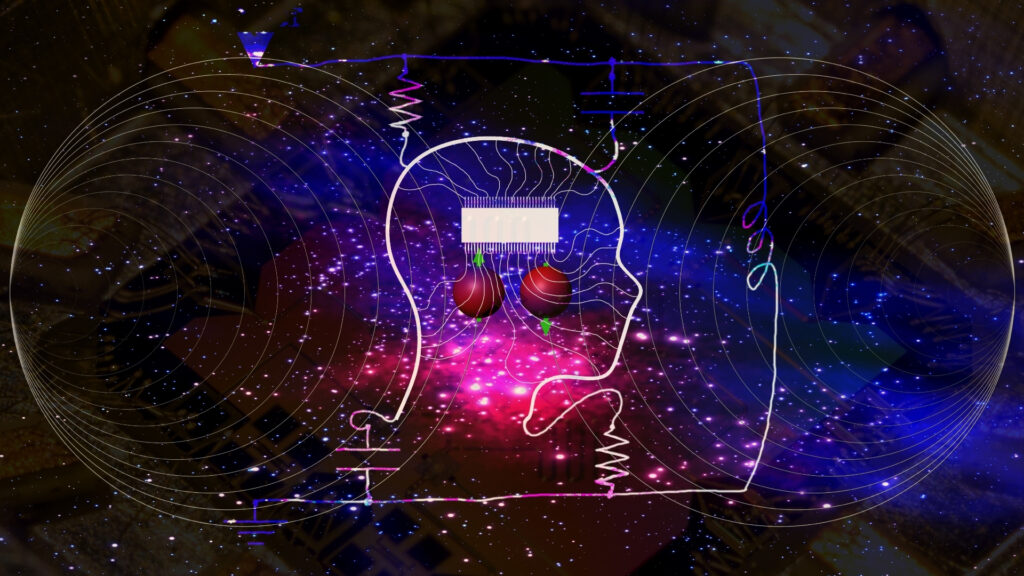
    AI simplifies quantum formula

    Di Sante and his colleagues questioned whether they could utilize the neural network, a machine learning technology, to simplify the renormalization group. The neural network is like a cross between a frantic switchboard operator and survival-of-the-fittest evolution. First, the machine learning program creates connections within the full-size renormalization group. The neural network then tweaks the strengths of those connections until it finds a small set of equations that generates the same solution as the original, jumbo-sized renormalization group. The program’s output captured the Hubbard model’s physics even with just four equations.

    “It’s essentially a machine that has the power to discover hidden patterns,” Di Sante says. “When we saw the result, we said, ‘Wow, this is more than what we expected.’” “We were really able to capture the relevant physics.”

    It took weeks for the machine learning algorithm to train, which required a lot of computational power. The good news, according to Di Sante, is that they can modify their curriculum to address other issues without having to start from scratch now that it has been coached. To gain extra insights that could otherwise be challenging for physicists to comprehend, he and his partners are also looking into what machine learning is “learning” about the system.

    The main unanswered question is how well the new technique applies to more complicated quantum systems, such as materials with long-range electron interactions. In addition, there are exciting possibilities for using the technique in other fields that deal with renormalization groups, Di Sante says, such as cosmology and neuroscience.

    There seems to be a connection between physics and AI. AI recently changed how we perceive physics (see video link above). Yes, you read that right. A new AI program created by Columbia University researchers has found its own strange version of physics.

    The AI developed different variables to explain what it saw rather than rediscovering the ones we presently use after being shown films of earthly physical processes.

    The progress of our understanding of the universe, quantum physics, and everything else depends on AI experiments like the ones we are currently witnessing. This is so that AI can better understand the most recent statistics by copying and analyzing them. The ultimate goal is to help us understand ourselves better.

    As AI advances, there will be plenty more to come. AI has already started, with ‘Physics’ and ‘Art’.

  • A study suggests watching TV with children may benefit their brain development

    A study suggests watching TV with children may benefit their brain development

    Key Points:

    • A study suggests watching TV with children may benefit their brain development.
    • Researchers analyzed 478 studies that were published in the last 20 years.
    • Early exposure to television may be detrimental to play and language development.
    • Screen content that is age-appropriate for children is more likely to have a positive impact.
    • The study warns that watching TV shouldn’t take the place of other learning activities, like socializing, even though the right kind of information can be more beneficial than harmful.
    • The authors advise reinforcing learning-promoting contexts, like kids watching age-appropriate content under adult supervision and avoiding having a background TV or device on.

    A new research examined the impact of passive screen use on a young child’s cognitive development, revealing that, depending on the situation, exposure to screens – whether from a TV or a mobile device – might be beneficial.

    Full Story

    The researchers from the University of Portsmouth and Paris Nanterre University in France said that the team analyzed 478 studies that were published in the last 20 years. The research showed that, particularly for young infants, early exposure to television may be detrimental to play, language development, and executive functioning.

    Dr. Eszter Somogyi of the University of Portsmouth’s Department of Psychology said, “We’re used to hearing that screen exposure is bad for a child and can do serious damage to their development if it’s not limited to, say, less than an hour a day. While it can be harmful, our study suggests the focus should be on the quality or context of what a child is watching, not the quantity.

    A child may find it difficult to extract or generalize information because of a weak narrative, quick editing, and complex inputs. However, screen content that is age-appropriate for children is more likely to have a positive impact, especially if it’s made to promote interaction.

    According to studies, a parent or other adult should be present for a child to watch TV so they may engage with them and ask them questions.

     “Families differ a lot in their attitudes toward and use of media,” explained Dr. Somogyi.

    Dr. Somogyi also stated that the strength and character of TV’s influence on children’s cognitive development are strongly affected by these changes in viewing context. “Your child’s comprehension of the content can be strengthened by watching television with them and discussing what they see, adding to the skills they learn from educational programs,” Dr. Somogyi added.

    According to the researchers, coviewing can also contribute to the development of their conversation skills and provide children with a role model for appropriate television viewing behavior.

    Warning

    The study warns that watching TV shouldn’t take the place of other learning activities, like socializing, even though the right kind of information can be more beneficial than harmful. Instead, it is crucial to educate parents and other adults who care for children under the age of 3 about the dangers of excessive screen use in unsuitable situations.

    The authors advise reinforcing learning-promoting contexts, like kids watching age-appropriate content under adult supervision and avoiding having a background TV or device on.

    “The important take home message here is that caregivers should keep in mind new technologies.” ” Television or smartphones should be used as potential tools to complement some social interactions with their young children but not to replace them,” said Dr. Bahia Guellai, from the Department of Psychology at Paris Nanterre University.

    Future

    As stated by the researchers, the most important challenge of our society for future generations is to make adults and young people aware of the risk of unconsidered or inappropriate use of screens. This will help in preventing situations in which screens are used as the new type of child-minding, as they have been during the pandemic lockdowns in different countries.

    “I am optimistic with the concept of finding an equilibrium between the rapid spread of new technological tools and the preservation of the beautiful nature of human relationships,” concluded Dr. Guellai.

    The study report has been published in the journal Frontiers in Psychology.

  • Japan’s cyborg cockroach getting ready to assist in disaster relief efforts

    Japan’s cyborg cockroach getting ready to assist in disaster relief efforts

    As Japanese researchers are programming them to assist in disaster relief efforts and research in catastrophe-hit areas, swarms of cyborg cockroaches will be the first to identify trapped survivors in any catastrophe, such as an earthquake.

    Hope for immediate action to save and rescue victims has been aroused by the researchers’ recent presentation of their capability to mount “backpacks” of solar cells and electronics on the bugs and control their motion with a remote.

    The flexible solar cell film was developed by Kenjiro Fukuda and his team at the Thin-Film Device Laboratory at the Japanese research giant Riken. It is 4 microns thick, or roughly 1/25 the width of a human hair, and can fit on the insect’s abdomen.

    The film allows the roach to move around without limitation, and the solar cell generates enough power to process and convey directional information to the sensory organs on the bug’s hindquarters.

    The study expanded on previous insect-control studies conducted at Nanyang Technological University in Singapore, and it may one day produce cyborg insects that can enter danger zones far more rapidly than robots.

    “The batteries inside small robots run out quickly, so the time for exploration becomes shorter,” Fukuda said. “A key benefit (of a cyborg insect) is that when it comes to an insect’s movements, the insect is causing itself to move, so the electricity required is nowhere near as much.”

    The research team chose Madagascar hissing cockroaches for the research because they are sufficiently large to carry the necessary equipment and lack wings that would hinder the experiment. The bugs can maneuver around minor obstacles or right themselves when they are flipped over, even with the backpack and film attached to their backs.

    There is still much to learn about this topic. In a recent demonstration, Riken researcher Yujiro Kakei told a cyborg roach to turn left, causing it to scramble in that general direction using a specialized computer and wireless Bluetooth signal. But the bug turned in circles when it obtained the “right” signal.

    The next task is to miniaturize the parts so that the insects can move more easily and so that sensors and even cameras may be mounted. Kakei stated that he invested 5,000 yen ($1 = 143.3100 yen) on parts from Tokyo’s famous Akihabara electronics district to construct the cyborg backpack.

    The roaches can be removed from the lab’s terrarium by removing the backpack and film. The insects can live up to five years in captivity and reach maturity in just four months.

    Fukuda sees a wide range of applications for the solar cell film, which is made up of small layers of plastic, silver, and gold, beyond just disaster rescue bugs. The film could be integrated into skin patches or clothing to track vital signs.

    He said that on a sunny day, a parasol covered with the material might produce enough electricity to recharge a phone.

  • Researchers use artificial intelligence to uncover the cellular origins of Alzheimer’s disease and other cognitive disorders

    Researchers use artificial intelligence to uncover the cellular origins of Alzheimer’s disease and other cognitive disorders

    Researchers have used artificial intelligence techniques to examine structural and cellular features of human brain tissues to help determine the causes of Alzheimer’s disease and other related disorders.

    Instead of using traditional markers like amyloid plaques, the Mount Sinai research team found that studying the causes of cognitive impairment using an unbiased AI-based technique revealed unexpected microscopic abnormalities that might predict the presence of cognitive impairment. On September 20, these findings were published in the journal Acta Neuropathologica Communications.

    Stating that AI represents an entirely new paradigm for studying dementia and will have a transformative effect on research into complex brain diseases, especially Alzheimer’s disease, co-corresponding author John Crary, MD, PhD, Professor of Pathology, Molecular and Cell-Based Medicine, Neuroscience, and Artificial Intelligence and Human Health, at the Icahn School of Medicine at Mount Sinai, said, “The deep learning approach was applied to the prediction of cognitive impairment, a challenging problem for which no current human-performed histopathologic diagnostic tool exists.”

    The medial temporal lobe and frontal cortex were the two brain regions whose underlying architecture and cellular features the research team identified and analyzed. The researchers used a weakly supervised deep learning algorithm to assess slide images of human brain autopsy tissues from a group of more than 700 elderly donors in order to predict the presence or absence of cognitive impairment in an attempt to improve the standard for postmortem brain assessment in order to identify signs of diseases.

    Related Readings:

    In a supervised learning environment, the weakly supervised deep learning approach can handle noisy, limited, or imprecise sources to provide signals for labeling substantial amounts of training data. The amount of myelin, the protective layer around brain nerves, is measured using the Luxol rapid blue staining, and this deep learning model was used to identify a decrease in the quantity of myelin.

    The white matter, which is involved in learning and brain functions, showed a concentration of myelin staining that was decreasing in amount, dispersed in a non-uniform manner across the tissue, and associated with cognitive impairment. The accuracy of the two sets of models that the researchers developed and used to predict the presence of cognitive impairment was better than that of guessing.

    According to their findings, the diminished staining intensity in certain brain regions identified by AI may provide a scaleable platform to assess the presence of brain impairment in other related disorders.

    The methodology establishes the framework for further research, which may involve using artificial intelligence models on a bigger scale and further dissecting the algorithms to improve their reliability and accuracy. The group said that the ultimate aim of this neuropathologic research program is to create better therapeutic and diagnostic methods for patients with Alzheimer’s disease and associated disorders.

    “Leveraging AI allows us to look at exponentially more disease relevant features, a powerful approach when applied to a complex system like the human brain,” said co-corresponding author Kurt W. Farrell, PhD, Assistant Professor of Pathology, Molecular and Cell-Based Medicine, Neuroscience, and Artificial Intelligence and Human Health, at Icahn Mount Sinai.

    Read: AI is earning trust as much as humans to flag hate speech

    “It is critical to perform further interpretability research in the areas of neuropathology and artificial intelligence, so that advances in deep learning can be translated to improve diagnostic and treatment approaches for Alzheimer’s disease and related disorders in a safe and effective manner,” added W. Farrell.

    “Interpretation analysis was able to identify some, but not all, of the signals that the artificial intelligence models used to make predictions about cognitive impairment. As a result, additional challenges remain for deploying and interpreting these powerful deep learning models in the neuropathology domain,” said the study’s lead author, Andrew McKenzie, MD, PhD, Co-Chief Resident for Research in the Department of Psychiatry at Icahn Mount Sinai. As a result, there are still more difficulties in applying and understanding these potent deep learning models in the field of neuropathology.

    This new study provides an important step forward in the development of AI models that can be used to predict cognition clinically from tissue slides. Future work will involve continuing AI and deep learning work on more standard histopathologic features as well as other brain regions relevant to cognition.

    Also involved in this study were researchers from the University of Texas Health Science Center in San Antonio, Texas; Newcastle University in Tyne, England; Boston University School of Medicine in Boston; and UT Southwestern Medical Center in Dallas.

    One of the largest academic medical systems in the New York metropolitan area is Mount Sinai Health System, which employs over 43,000 people across eight hospitals, over 400 outpatient services, around 300 labs, a school of nursing, a leading medical school, and graduate education.

    For more information, visit the cited source.

  • Intent HQ Launches AI-Guided Campaign Audience Builder

    Intent HQ, the provider of a customer AI analytics platform, has launched the first AI-guided dynamic audience builder for telco marketers.

    With the use of audience AI, telecoms may considerably boost the effectiveness of their marketing campaigns and discover new, untapped prospects within their customer base.

    Without the assistance of data scientists or business intelligence (BI), it uses machine learning to identify target consumers based on behavioral similarity indicators.

    Because they are still unable to identify audiences that are sufficiently relevant, Intent HQ feels that telco marketers are losing out on numerous new opportunities to generate income.

    Due to the lack of tools available, creating campaigns takes too long, and current methods don’t successfully identify the target markets for each marketing message.

    “Our goal is to create marketing that is so relevant to our customers that they view our messages as helpful suggestions as if we were friends.” Audience AI is helping us do that by giving our marketers fingertip access to human-level insights and making them truly actionable, “said Andy Herz, Director, Value-Based Marketing at Verizon.

    Lead times like these and poor audience choice result in lost opportunities, more opt-outs, and customer brand dissatisfaction. AI for customers was created to address these issues.

    Audience AI significantly increases the Verizon Protect campaign’s revenue. The Verizon consumer marketing team employed audience AI to more effectively target and broaden the audience for Verizon Protect, the company’s top device insurance program.

    Protect is periodically made available to customers who did not want to add it at the time they purchased their device during time-limited “open enrollment” programs.

    The report says Audience AI achieved outstanding results for the campaign compared to the current audience selection strategy.

    Audience AI offers the following crucial elements as a self-serve audience-building tool to improve campaign relevancy and ROI:

    1) Simple. Audience AI features a user interface that is simple to use. Without professional assistance, any member of the marketing team is able to produce viable campaign audiences.

    2) Responsive. To find their ideal customers, marketers can instantly query a variety of predictive indicators.

    Building an audience has been a tough and time-consuming endeavor that depends on teams of data analysts and human intuition. By removing the guesswork involved in audience creation, audience AI makes the process much simpler and saves campaign managers several hours of labor.

    3) Safe. By using the Intent HQ SafeSignal engine to deliver privacy-safe audience data, Audience AI may deliver audience data without the requirement for significant legal permission.

    Audience AI is a machine learning technique that develops an audience “seed” based on behavioral and/or event-based inputs. With a statistically significant scale, Intent HQ’s proprietary data science algorithms produce a practical and appropriate campaign audience. 
    What does the industry think about Audience AI?

    According to Patrick Fagan, Head of Behavioural Science at Kubik Intelligence, Audience AI is the only audience creation solution that harnesses the power of machine learning to analyze weblogs and other behavioral data. Fagan also adds that this allows telco marketers to build targets of behaviorally similar customers that would not otherwise be easily identifiable. “Most importantly,” as Fagan said, “it has full consumer privacy baked into the design”.

    This is effective because it identifies the data that the artificial intelligence engine gathers for a specific user based on behavioral similarities, not on an anonymous device ID. This means that it can be used in customer acquisition campaigns without exposing the actual identities of users or even businesses, in most cases.

    In addition, the use of Intent HQ’s Smart Signals technology allows marketers to learn and improve their audience selection capabilities while keeping customer data safe and private.

    Another advantage is that advertisers are able to analyze their customer base with more precision since Audience AI uses predictive signals, such as weblogs, purchase behavior, and other events from customers’ smartphone and web surfing habits.

  • Repair aging and colonize other planets?

    Repair aging and colonize other planets?

    Introduction

    A human life span of 72 years (72.58 years as of 2022) is too insufficient. More than half of a person’s life is unproductively spent in childhood and retirement. Only when we achieve an average of at least 150 “energetic and productive” years will we fully enjoy our lives.

    There is no way humans for humans to not try to manipulate natural aging. Scientists have demonstrated that it is feasible to partially stop the aging process by making aged organisms younger.

    Even at a normal growth rate, the earth is likely to be overpopulated, reaching a world population of 11.2 billion by 2100. When we repair aging and allow people to live as stated, the problem of overpopulation will be big. The only way around is colonizing other planets to survive.

    Repairing the aging and colonizing other worlds

    The current average life span does not fulfill the requirement of longevity and is far from enough to achieve full energy and ability.

    But not only aging but various vulnerabilities incorporated in human life are also unquestionably the basic hindrances on the way to real freedom from earthly limitations.

    For example, it takes decades of schooling for a human to learn the basics of survival, including making a decent conversation or understanding a simple science.

    A technology to repair aging will solve the problem by enabling every human to learn, grow, and behave in days instead of decades.

    Furthermore, repairing human age does not necessarily imply extending human life in the same deteriorating structure; it also proposes maintaining a healthy and energetic mind-body relationship until an expected comfortable death.

    To this end, aging could be reasonably repaired by reprogramming the aging process. It’s possible only when all the genetic information of the person has been stored in an information base and every cell of every organ has been implicated in that program.

    The repaired person, who will be able to live healthy for much longer, will make a significant contribution to uplifting human civilization from the ground up; this is because we are still fighting each other, confined within the boundaries of the earth’s atmosphere.

    Then, the need for more outer space will not only be required for settling the overpopulation crisis; it will also be like escaping from this cave to take a sun bath.

    Related: Are you ready for life in the virtually real world?

    Although it may appear too complicated at first, finding a way to repair aging through gene manipulation and incorporating cells from young people or even animals into ours will be the first revolutionary leap forward in human civilization.

    The healthier, stronger, and more energetic guys will have hundreds of times more intelligence, memory power, and willpower than today’s best ones. They will have hardly any effects from the cosmic radiations, different temperatures, and atmospheric compositions of any other worlds, besides only the extremes like the sun and Jupiter.

    Is it ever likely to come true?

    Maybe. Medical research and research on aging show that this possibility is not a far-fetched dream. Too attainable that the first age-repaired human beings will be living on Earth about 3 decades from now.

    Research published in 2016 suggested that “it is possible to slow or even reverse aging, at least in mice, by undoing changes in gene activity—the same kinds of changes that are caused by decades of life in humans.”

    Researchers have already reversed aging in human skin cells by 30 years. The researchers said they developed a method to time jump human skin cells by three decades – longer than previous reprogramming methods, rewinding the aging clock without the cells losing their function, according to another study published in early 2022.

    When this trend of research in reversing aging upgrades to the next level as the trend of repairing aging, the aforementioned generation of humans will begin appearing in existence. 

    Such a uniqueness in their physicality and mentality will allow the repaired humans to go, explore, and settle beyond this narrow surface of the earth.

    It will come true because today’s creative humans can build machines like the James Webb Telescope that can capture galaxies billions of light years away. However, they have significant limitations in experiencing the same in practice.

    This is why the first step in creating a suitable environment for its survival, the repair of human aging, will be the only key to establishing a reliable foothold in colonizing outer space. They will also be able to live long enough to explore what this universe has held for them.

  • Researchers develop AIs to improve gamers’ dynamic difficulty adjustment

    Researchers develop AIs to improve gamers’ dynamic difficulty adjustment

    Researchers have developed Artificial Intelligence (AIs) to improve gamers’ overall experience by adjusting their dynamic difficulty.

    Dynamic difficulty adjustment (DDA), a recent development by Korean researchers, uses in-game data to predict player emotions and adjusts the difficulty level in order to maximize a gamer’s satisfaction.

    Although the difficulty is a challenging aspect to balance in video games, doing it properly is essential to giving gamers a satisfying experience.

    The researchers’ work may help to balance game complexity and enhance the appeal of games to different sorts of gamers.

    Gamers’ dynamic difficulty adjustment

    Dynamic difficulty adjustment (DDA) is a method for automatically altering a game’s features, behaviors, and scenarios in real-time depending on the player’s skill so that the player does not get bored or annoyed whether the game is very easy or very difficult.

    For instance, the game’s DDA agent may automatically raise the difficulty if player performance exceeds the developer’s expectations for a particular difficulty level, raising the challenge for the gamer. This method is helpful, but it has limitations because it just considers player performance, not how much pleasure they are truly having.

    Generally, games with difficulty levels will run on a scale that includes some or all of the following:

    • Easier Than Easy,
    • Easy / Beginner / Novice,
    • Normal / Medium / Standard / Average / Intermediate,
    • Hard / Expert / Difficult.

    To help make its races more exciting and entertaining, regardless of the skill level of its players, Mario Kart, for example, has included various levels of dynamic difficulty in nearly every iteration.

    Will AIs improve gamers’ dynamic difficulty adjustment?

    A research team from the Gwangju Institute of Science and Technology in Korea modified the DDA approach in the study published in Expert Systems With Applications.

    They developed DDA agents that adjusted the game’s difficulty to optimize one of four different aspects related to a player’s satisfaction: challenge, competence, flow, and valence, as opposed to focusing on the player’s performance.

    The DDA agents were trained using machine learning, utilizing data collected from real-world players who participated in a fighting game against different artificial bits of intelligence (AIs) and then provided feedback.

    Each DDA agent used both real-world game data and simulated data to fine-tune the opponent AI’s fighting strategy to enhance a particular feeling, or ‘affective state’, using the Monte-Carlo tree search algorithm.

    Associate Professor Kyung-Joong Kim, who led the study said that one advantage of the approach over other emotion-centered methods is that it does not rely on external sensors, such as electroencephalography. “Once trained, our model can estimate player states using in-game features only”, added Associate Prof. Kim.

    Related: A way to “Detect Speech” from People’s brain

    Through an experiment with 20 volunteers, the researchers verified that the proposed DDA agents could produce AIs that improved the players’ overall experience, no matter their preference. This marks the first time that affective states are incorporated directly into DDA agents, which could be useful for commercial games.

    According to Associate Prof. Kim, commercial game companies already have huge amounts of player data, which they can exploit to model the players and solve various issues related to game balancing using our approach. As mentioned by the team, this technique also has potential for other fields that can be ‘gamified,’ such as healthcare, exercise, and education.

    The researchers’ effort in developing AIs could contribute to balancing the difficulty of games and making them more appealing to all types of players.

  • Will our Future Look Like a Video Game?

    Will our Future Look Like a Video Game?

    Today, too, if you think about it, the world we live in look like just a very elaborate video game. You go to school, get hit points for good behavior, take on quests that are assigned to you by your parents and teachers, and if you don’t want to deal with the challenges at hand you can just collect some gold coins and buy a skill point or two.

    Games have been an important part of our culture since they were first created decades ago. We are so close to achieving total immersion in virtual reality that we can almost touch it. It was predicted years ago that we would all be living out our lives as characters inside video games by 2040.

    The Future that Looks Like a Video Game

    Future video game

    In the year 2040, every single person on Earth will be playing a massively-multiplayer online game. The population of Earth is roughly 7.2 billion people, which means that in just over 30 years there will be enough computers to store the minds of every human being alive. The bodies of these people will be long dead, but their immortalized minds will live on inside a virtual world. Everything has been set up so that the transition is seamless and painless for players—they won’t even know that they’re already dead.

    Your parents, your friends, everyone you know. They’re all now just digital avatars inside an elaborate simulation of the real world, and they have no idea. You are probably also an avatar in this virtual world. You may also be aware that you are not a human being in real life, but everyone around you still thinks that you are.

    The game is essentially a Role-Playing Game(RPG), with quests and towns and enemies and all the other things that you’d expect to find in a game like World of Warcraft or Final Fantasy XI. It had been designed so that people who knew nothing about computers could enjoy it too—everyone can play, from small children to their grandparents. You can play as a warrior with a high defense rating, or you can choose to be an archer who specializes in long-distance attacks. You can also choose to be a mage and cast spells that wouldn’t be possible in the real world, like turning the tables on your enemies and casting the “confusion spell” on them so they kill one another instead.

    The Real Game of Life

    This game, which is known as The Real Game of Life, has a rich history of its own. It was originally programmed by people called The Creators many years ago back in the year 2027. The Creators were a group which claimed to be immortal—they had already programmed many games in the past, and they said that they were now of the opinion that humans would be able to live forever in virtual reality by 2060 at the latest.

    The Creators might have thought that computers could potentially simulate every possible outcome of every possible choice humans could make. This was initially viewed as an astronomical achievement. But then in 2042 it was realized that there wasn’t enough computer power to run such a simulation for every single person on Earth.

    Purpose behind Creating the Real Game of Life

    The Creators created a computer that was capable of simultaneously simulating hundreds of millions of people. The Real Game of Life was designed to satisfy the needs and desires of a wide variety of players, so that everyone could find a good match for his or her own personality. The Game is also highly addictive and entertaining. People who have passed away inside it still think they are alive, and they continue to enjoy the game to this day.

    The Game is played in the real world where you are now reading this article, by over 7 billion avatars which are controlled by humans living in their homes all around the world. You don’t have to be a rocket scientist or an entrepreneur with exceptional intellectual capabilities to play this game. Anyone can become a “player”—as long as you have a computer and you know that you are dead in real life, you can live forever inside The Real Game of Life.

    HMDs and the world inside The Real Game of Life

    The head-mounted displays (HMDs), which were created specifically for the Game, are full of advanced technology. And, it is still not available outside The Game. You can purchase these HMDs on the market, but if you want to play The Game then is mandatory for everyone except for children under the age of 12. If a person doesn’t know that he or she is dead, you can’t make him or her aware that what they see inside the HMD is all as real as it can be. This is why characters who have died inside this game are still able to stay in touch with their families and friends, they still have much to talk about.

    The world inside The Real Game of Life is shaped into an enjoyable “reality” by the player, who has full control over everything that happens in the game world. All games are simply a series of rules which players invent themselves—the rules are not created by someone else but by each individual game creator himself or herself.

    Some players choose to live in an austere, barren environment without any possessions or luxuries. Other players choose to be immortal crime lords who live on private islands and kill anyone who trespasses on their property. They divide the land up into different sections so that other players cannot build structures on it—they enjoy isolation from other players so that they can focus on what’s happening inside their own minds.

    Autism, Monsters in the Wilderness and Options of Choice after Death

    The fact that your parents thought you were a little psychopath actually turns out to be good for you as a player: your intelligence is greatly enhanced in the game. The same thing goes for anyone who received a diagnosis of autism, or any other mental illness; your mind inside the game is much faster and more accurate than normal people.

    Some people choose to be virtual gods, while others are happy to play the role of livestock. The land inside The Real Game of Life is divided up into different sections which are claimed by different players. There is a large chunk of land called Hell which no player actively controls—it’s a vast wilderness where monsters prey on one another and there’s no real way for anyone to come out on top. Anyone who dies in this wilderness becomes trapped there forever, so nobody ever tries to stay there for long.

    Other Articles:

    Once your character dies in The Game, you have the option to do whatever you want to: you can choose to become a ghost and haunt a house with your old high school classmates, or you can become an invisible entity and put an end to the world if that’s what your programming instructs you to do. You are immortal inside The Real Game of Life, but there will come a time when we all have to face the consequences of what we’ve done inside this game.

    To Conclude

    This is just one of many games that were created by humans in the year 2025, following a worldwide economic collapse which led to mass unemployment, riots and demonstrations in most major cities around the world.

    Today, the year is 2031 and we are still here. We’ve overcome the financial collapse of different periods of time in history. And this time around, we’ve managed to create a sustainable system that won’t collapse again. The reason why we overcame this almost impossible task this time was because of our ability to replace ourselves with software—unless it becomes necessary for us to cut the chain of life short, humans will always be able to continue living on for as long as computers can run simulations like The Real Game of Life.

    (Note: This article is completely based on imagination, written only for the purpose of forming some hypotheses about the impact of technology in the human future.)